Online Qurban Concept Illustration
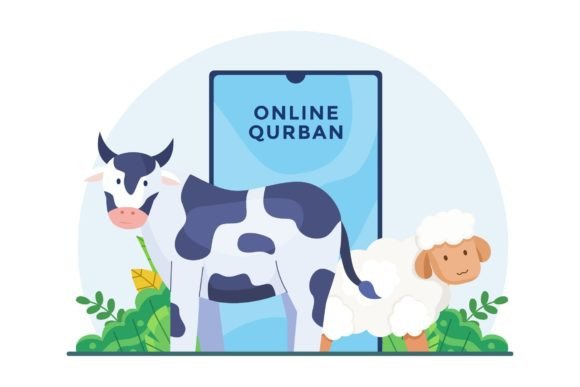
When I sit down to review a new digital asset for my embroidery studio, I am rarely looking at just a pretty picture. I am looking at stitchability, scalability, and the emotional resonance of the final product. As an experienced designer who bridges the gap between digital graphics and tangible handmade goods, I recently evaluated the Online Qurban Concept Illustration. This vector flat illustration, which depicts a modern mobile application interface centered around the concept of Qurban (sacrifice) for Eid al-Adha, presents a unique challenge and opportunity for embroiderers.
The core premise here is interesting: it merges traditional religious observance with modern digital interaction. For those of us in the craft business, this duality offers a fresh narrative. It is not just another generic holiday motif; it is a story about community, technology, and tradition. But how does that translate when converted into a machine embroidery design? Let’s break down the practical reality of using this illustrations category graphic in real-world projects.
First Impressions and Visual Mood
The first thing you notice about the Online Qurban Concept Illustration is its clean, flat aesthetic. In the world of graphics, this style is timeless because it relies on clear shapes rather than complex shading. For embroidery, this is a double-edged sword. The flat nature means there are no gradients to mimic with thread, which simplifies the digitizing process. However, it also means the design relies heavily on strong outlines and distinct color blocking to remain legible after stitching.
The mood created is one of modernity and accessibility. It feels light, approachable, and relevant to a younger demographic or tech-savvy community. When I imagine this as a finished product, it doesn’t feel like a heavy, traditional tapestry. Instead, it feels like a contemporary statement piece. This makes it particularly suitable for custom apparel where the wearer wants to express their faith in a way that aligns with their daily, modern lifestyle. The visual personality is crisp, suggesting that the final embroidery project will look professional and polished if executed correctly.
Real-World Application: From Screen to Stitch
Let’s talk about a specific scenario. Imagine you are preparing inventory for the upcoming Eid season. You want to create a line of handmade products that stand out on Etsy or at a local craft fair. You decide to use this illustration on a high-quality cotton tote bag design. Why? Because the flat, illustrative style pairs beautifully with the natural texture of canvas or cotton twill.
In this context, the illustration works well as a central focal point. The mobile phone shape provides a recognizable anchor, while the surrounding elements can be interpreted as symbols of giving or connection. When stitched onto a tote, it becomes more than just a bag; it becomes a conversation starter. Customers appreciate designs that reflect current realities—like online donations or digital connectivity within religious practices. This adds a layer of product value that goes beyond simple aesthetics.
Similarly, this design could shine on a sweatshirt embroidery project. The relaxed fit of a sweatshirt allows for a larger hoop size, giving the digitizer room to breathe. The contrast between the soft fabric and the structured lines of the app interface creates a pleasing tactile experience. For baby embroidery items, such as muslin blankets or bibs, the simplicity of the flat design ensures that the image remains gentle and non-overwhelming, making it a thoughtful personalized gift for new parents celebrating their first Eid.
Where to Exercise Caution
However, not every surface is a good match for this particular embroidery file. There are several areas where you must be careful. First, consider the hoop size. If you attempt to shrink this design too small, the details of the mobile screen and any accompanying text may become muddy. Tiny lettering is notoriously difficult to read in embroidery, so ensure the design retains enough resolution to remain legible.
Secondly, avoid textured fabrics like heavy wools or nubby linens unless you have extensive experience. The flat lines of the illustration require a smooth ground to maintain their crispness. On a rough texture, the stitch density might get lost, resulting in a fuzzy appearance. Similarly, stretchy fabrics like spandex blends can distort the geometric shapes of the app interface, warping the "screen" aspect of the design.
Dark fabrics present another challenge. While dark threads exist, achieving the same level of vibrancy as the original vector illustration can be difficult. You may need to use a backing stabilizer or even a cut-away underlay to prevent the design from sinking into the fabric. Also, be mindful of curved surfaces like caps or hats. The rectangular nature of a mobile app interface can look awkward when forced to conform to the curve of a baseball cap brim or crown. It is better suited for flat panels or structured bags.
Technical Considerations for the Designer
As a reviewer, I must emphasize the importance of technical preparation. Before committing this digital embroidery file to your final merchandise, always test it on scrap fabric. Check the thread colors against your chosen material. Does the blue of the phone screen pop against the white cotton? Does the accent color provide enough contrast?
Inspect the small details closely. Are the icons on the mobile screen too fine? If so, you may need to simplify the digitization by combining nearby stitches or removing minor decorative accents. Review the stitch density to ensure the fabric isn’t being pulled too tightly, which can cause puckering. A balanced density is key to a durable finished product that can withstand washing.
It is also wise to view your digitized version in black and white. This helps you assess the tonal separation without the distraction of color. If the design looks like a gray blob in monochrome, it will likely lack clarity in color as well. Furthermore, confirm whether the AFDESI format provided is compatible with your specific machine software. If you are planning to sell these items, verify the licensing terms. Many vector illustrations allow for personal use but require a commercial license for selling small shop products or Etsy listings.
Final Verdict on Value and Appeal
The Online Qurban Concept Illustration brings a refreshing perspective to holiday-themed commercial embroidery. It moves away from cliché imagery and offers a narrative that resonates with modern believers. For the savvy craft business owner, this design offers a way to tap into a niche market that appreciates both tradition and innovation.
When used correctly, it enhances brand consistency by projecting a forward-thinking, inclusive image. It builds customer trust because it shows attention to detail and cultural relevance. Whether you are creating holiday gifts, aprons for kitchen use, or pillow covers for nursery decor, this illustration provides a solid foundation. Just remember to respect the limitations of the medium. Test thoroughly, choose the right fabric, and let the clean lines of the illustration speak for themselves. If done right, the result is not just an embroidered patch or shirt, but a meaningful piece of wearable art that connects heritage with the present day.